Most Common Mistakes When Starting Your Yerba Mate Journey
Almost every day, I encounter a situation where someone walks into the store wanting to begin their journey with Paraguayan holly. A key part of every such visit is guiding the customer on how to properly prepare yerba, choose the right accessories, and generally raising awareness about the most essential aspects of brewing and daily accessory care. Of course, the topic is quite extensive, and a single visit—whether face-to-face during in-store shopping at our shop in Rzeszów or online during conversations—is never enough to cover all the necessary details.
That is why this guide was created: to help anyone looking for a real, healthy alternative to all kinds of caffeinated beverages. I invite you to read on.
Mistakes Related to Preparation (Brewing) and Drinking
The first category, which we can consider the most critical, involves mistakes made during the yerba mate brewing process. We have identified seven key tips that will allow you to enjoy the full flavor of the brew for many hours—without excessive bitterness or astringency, without washing out the flavor too quickly, and without experiencing an overwhelming energy surge all at once. We understand that some people may question our recommendations. In such cases, we can only state that this is our perspective on Paraguayan holly, built upon over a decade of hands-on practice, experience with hundreds of different yerba mate brands, and exchanging insights with customers, producers, and locals in Argentina, Paraguay, and Brazil who drink mate almost daily. We are not forcing anything! These are simply a handful of practical tips that might come in handy for you ;)
1. Do not pour water that is too hot over the leaves
Remember that Paraguayan holly is not tea, even though it is colloquially referred to as tea, just like other herbs infused with hot water. Water temperature plays a crucial role when it comes to yerba mate. We personally recommend a range of 70–75°C (158–167°F), although some producers advise going up to 85°C (185°F). One thing is certain: to ensure the brew is not scalding hot and can be enjoyed almost immediately, it is best to use water within our suggested range.
However, the absolute worst thing you can do is pour boiling water over the leaves. That is practically a guarantee of a bitter, astringent, unpalatable, and quickly washed-out brew. Avoid doing this, or your yerba mate adventure won't last very long ;)
We've covered water that is too hot, but there is also a great solution for those who aren't fond of warm drinks and prefer them chilled. In that case, tereré is the ideal choice—yerba mate poured with cold, ice-chilled water. The colder the water, the better; ice cubes are highly welcome. It is a fantastic option for warmer days, though we know people who enjoy tereré almost all year round.
2. Do not drench all the leaves at once
Pouring a large amount of water over the entire dry blend at once results in an overly intense, astringent, and bitter brew, which is unlikely to appeal to you at the beginning of your yerba mate journey.
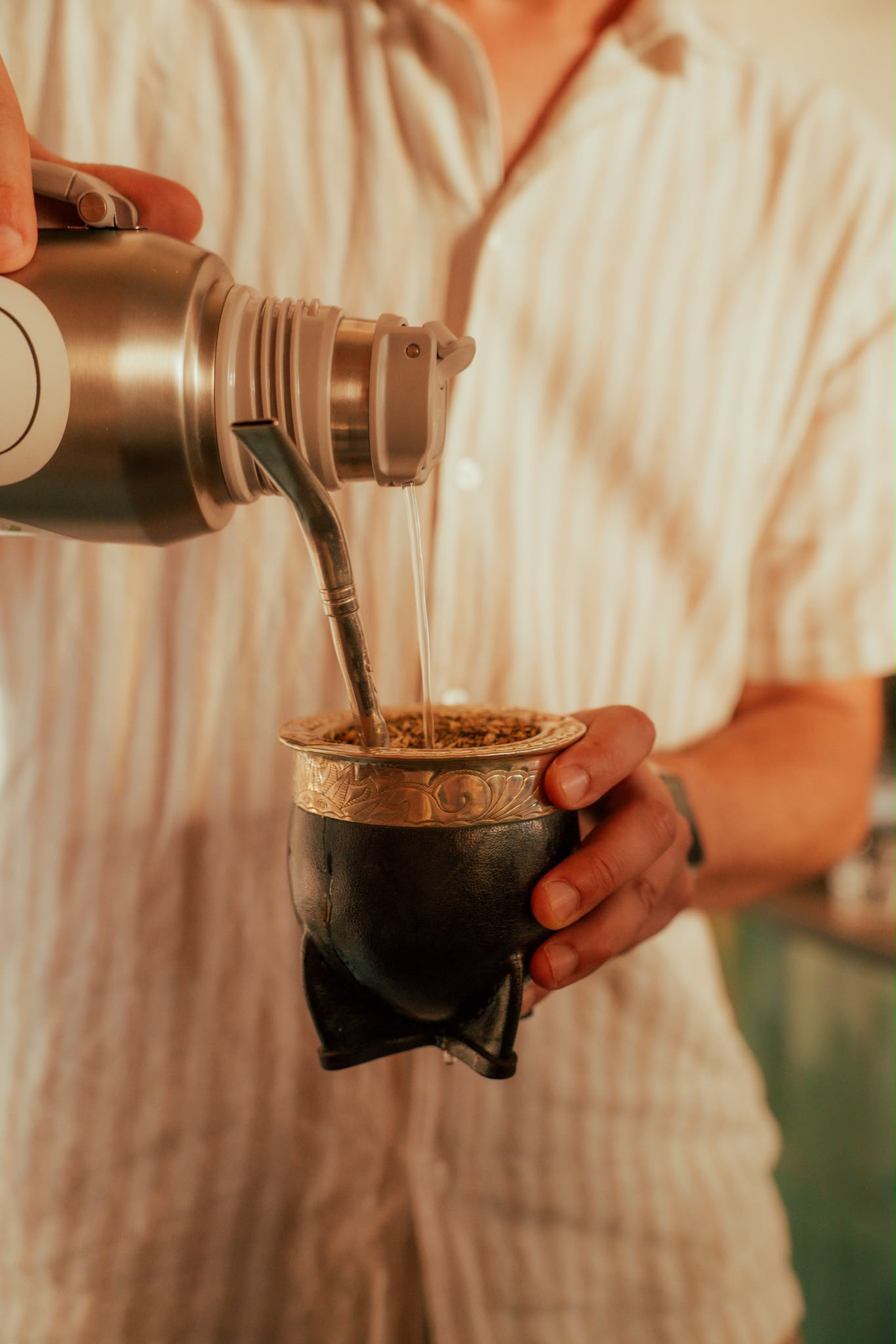
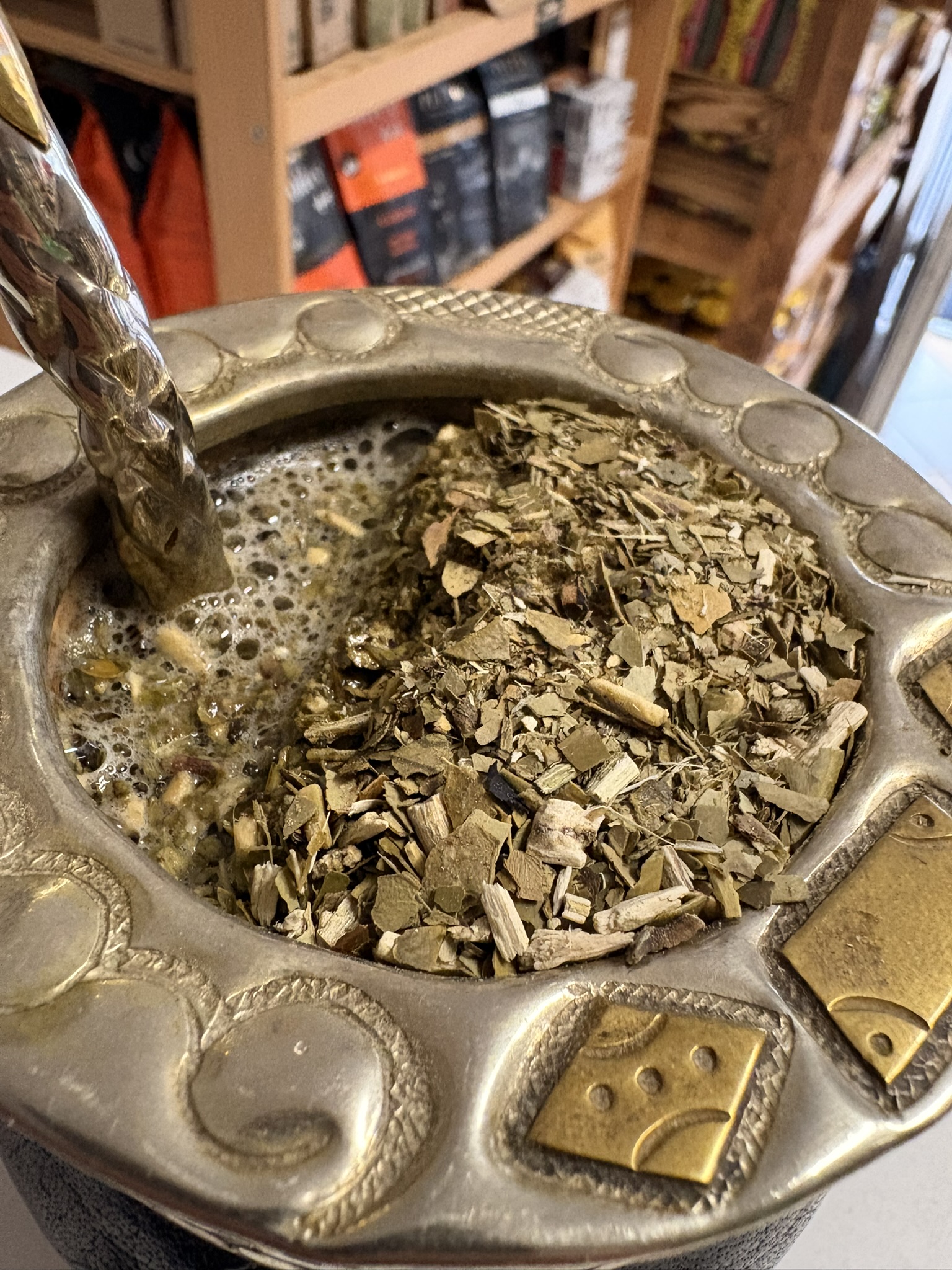
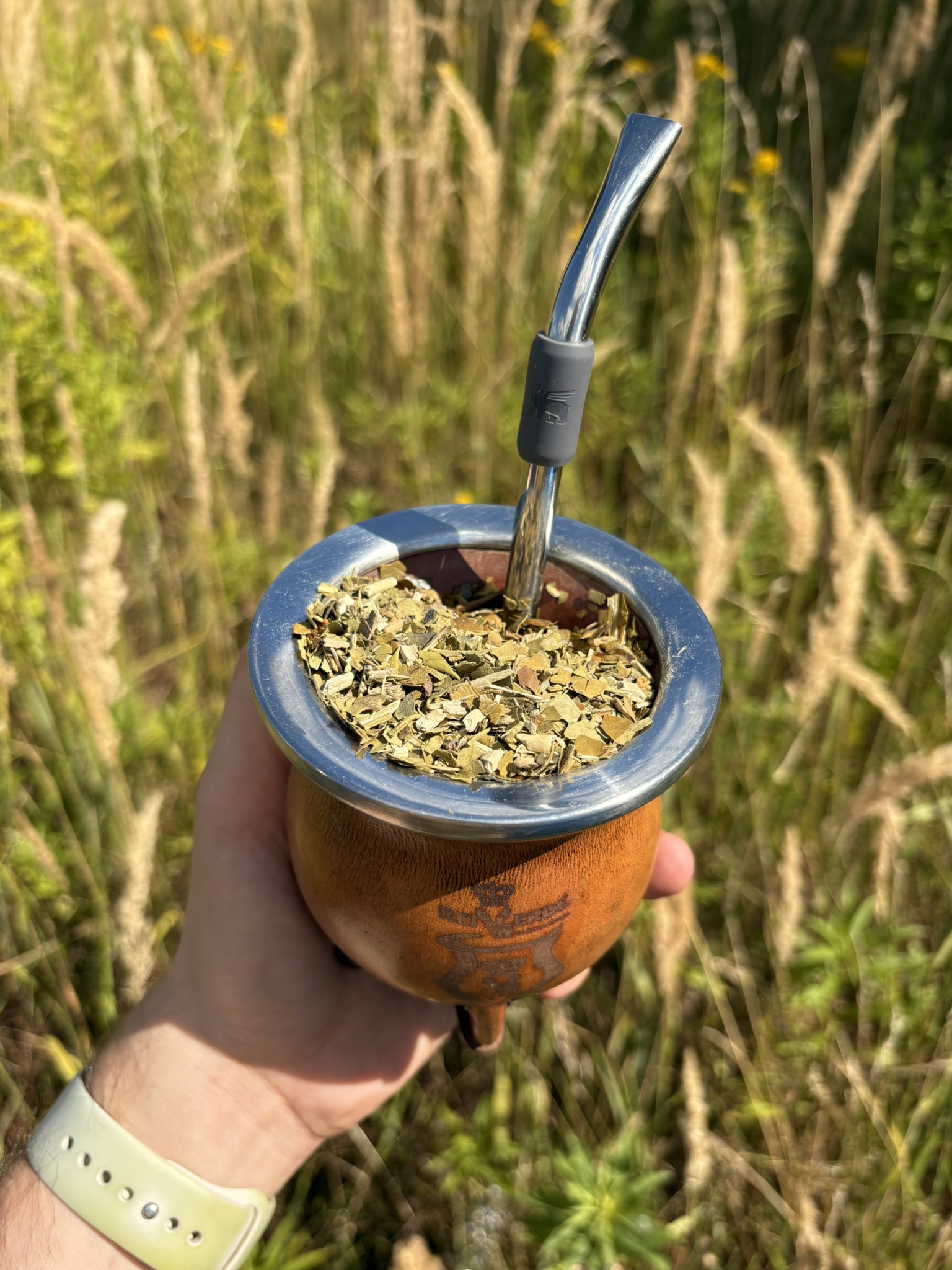
Therefore, it is best to use a mound (known as copote or montañita), which is the traditional preparation method. Fill the vessel between 1/2 and 3/4 of its volume, slope the dry leaves along one side, place the straw directly under the dry leaves, and perform subsequent refills right where the bombilla is positioned. This brewing technique provides better filtration, a milder and longer-lasting flavor, and above all, guarantees hours of continuous mate drinking.
By gradually steeping successive layers of leaves, you control the release of flavor and energizing properties over many hours, ensuring a smooth, steady boost rather than a sudden spike.
3. Do not stir with the straw (bombilla)
When drinking yerba mate traditionally (with a mound), you should never move or stir the bombilla. It should remain stationary under the leaves to ensure optimal filtration and easy sipping.
Adjusting the bombilla only makes sense if you need to repair the wall of dry leaves if it was not formed properly and started collapsing under the water pressure. In that case, gently patting the wall back into shape is completely acceptable.
Otherwise, stirring or shifting the straw in the vessel for no reason will only disrupt filtration and cause the bombilla to clog.
4. Finish a single portion within the day, ideally within 8 hours
Yerba mate tastes best within a 6-to-8-hour window. Leaves left steeped in water for longer periods will slowly begin to ferment, bringing out harsh astringency, heavy bitterness, and an unpleasant aftertaste.
Therefore, it is best to refill the same portion every 20–30 minutes throughout the day until the flavor washes out, rather than leaving soaked leaves sitting for hours. Leaving a filled mate vessel in the fridge overnight is also not a good idea—trust us, yerba won't taste very good the next day.
The only exception is chimarrão, which, due to its remarkable yield and extremely fine grind, can yield flavor for over twelve hours depending on the preparation technique used.
5. Do not use too little or too much yerba in the vessel
This might sound somewhat contradictory, but it holds very true in practice!
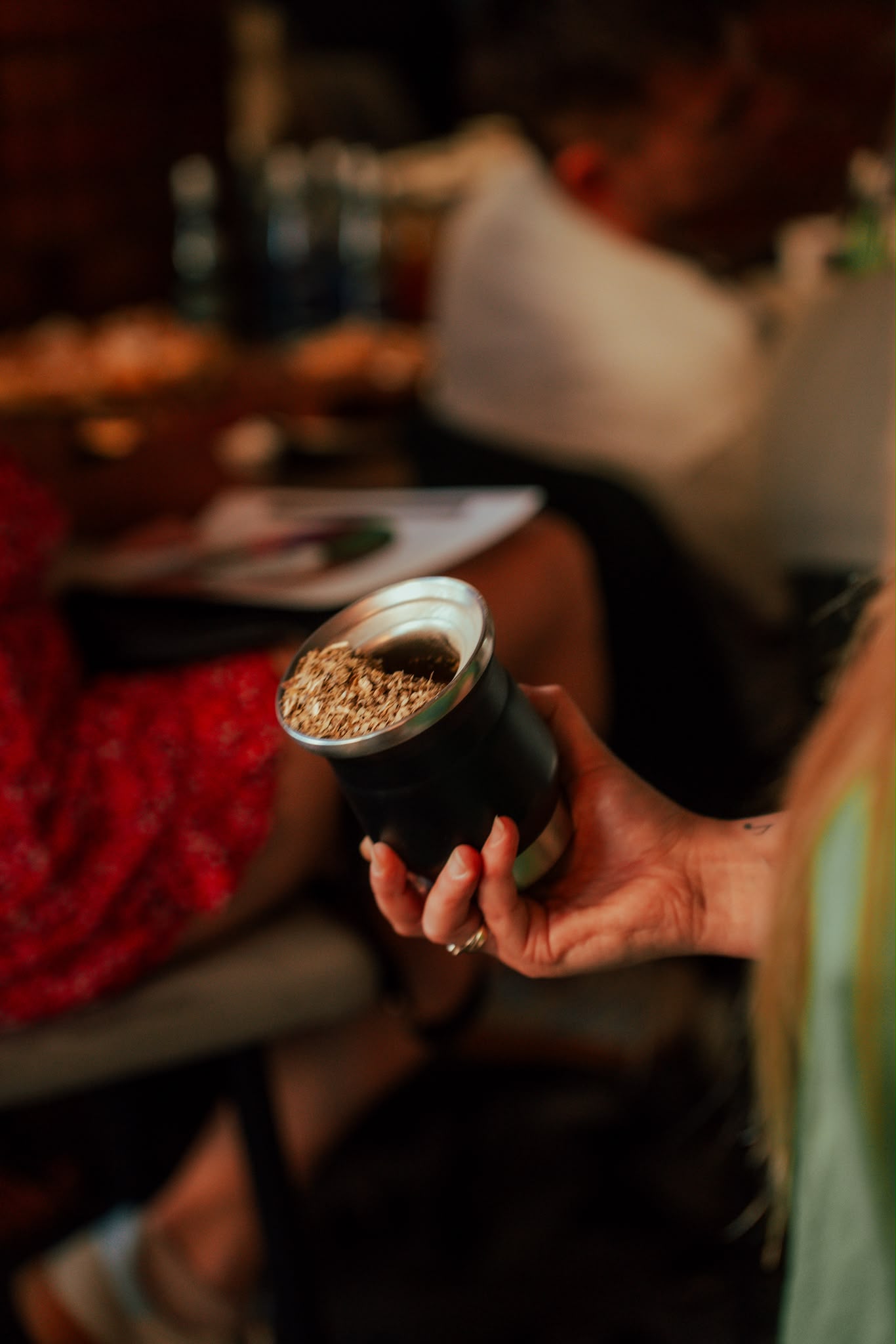
The first mistake is putting just a few teaspoons of leaves into a fairly large vessel (over 200 ml) and drowning it all at once. This yields only a weak shadow of the taste and energizing effect you desire. With this approach, the leaves wash out almost instantly and deliver only a very mild, short-lived boost.
The second mistake occurs when someone fills a large vessel (300 ml or more) 3/4 full with yerba and drenches everything in one go. The resulting brew will be intensely bitter, harsh, and packed with caffeine. For people sensitive to caffeine, this can lead to an uncomfortable rush—causing jitteriness, hand tremors, or heart palpitations. The saying "too much of a good thing" fits perfectly here.
That is why it is vital to stick to the golden rule: fill vessels up to 250 ml capacity between 1/2 and 3/4 full. Traditional preparation with the correct leaf-to-water ratio is a formula for success and hours of enjoyable drinking.
6. Do not pour too much water at once
This applies directly to traditional preparation with a mound (montañita). You must remember to pour water below the top level of the leaves—at least 1 cm lower—so that the dry wall remains intact without collapsing or soaking through too quickly. Pouring water all the way to the top will cause the mound of yerba to fall apart rapidly.
The exception is the so-called lavado stage (the final steepings), when the yerba has lost nearly all its flavor and you want to extract every last bit of taste from the remaining leaves, effectively breaking down the mound. This happens after pouring roughly a liter or more of water through the same portion.
7. Avoid brewing yerba too late in the day
Keep in mind that the stimulating effect of Paraguayan holly is sustained over time. If you start sipping a fresh portion late in the afternoon or evening, be prepared for the fact that falling asleep won't come easily.
This applies whether it is your first fill of the day or a fresh late-day refill. Of course, everyone's body reacts differently to caffeine, and there are exceptions who can drink mate late at night and sleep soundly without issues.
However, for most people, late drinking leads to sleep disturbances and difficulty falling asleep at a normal hour. So avoid late-night sessions at the expense of a good night's rest ;)
Mistakes Related to Choosing Yerba and Accessories
The second category of common mistakes includes 5 key tips and guidelines that will make drinking yerba mate significantly more enjoyable and help you build a lasting habit with Paraguayan holly.
1. Do not start with overly intense or strong yerba mates
Keep in mind that traditional yerba mates are often relatively bitter and astringent. If you are not used to such profiles, it is best to opt for lighter, smoother options at first.
Yerba mates labeled Despalada (at least 90% leaves), Paraguayan varieties, or those smoke-dried using the Barbacuá method can be overwhelming for a beginner.
Try lighter, traditional options with a moderate intensity level, such as
Aguamate Organica, Aguantadora Tradicional, or Amanda Suave.
You can also reach for flavored versions where the bitterness is softened by natural fruit aromas, such as
Taragui Maracuya, Amanda Limon, or Verdeflor Naranja.
2. Do not judge a yerba solely by eye-catching packaging graphics
The best part of yerba mate is what's inside the package, not just an attractive exterior design.
This specifically applies to yerba mates repackaged in Europe into pouch-style doypacks with zip locks. These are not products you would find on shelves in Argentina, Paraguay, or Brazil; they are often produced strictly for the European market.
Often, these are heavily artificial or heavily flavored blends where the authentic taste of yerba mate is faint or masked by added flavorings.
When choosing your first yerba, avoid relying solely on endorsement campaigns by famous personalities prompting you to buy products repackaged in Europe. Choose authentic originals that leave South America in the exact same packaging in which they arrive in Europe, without any interference with the leaves or packaging. These are the genuine products enjoyed by locals at the source.
There are, of course, exceptions where beautiful packaging goes hand in hand with exceptional contents, such as Zapeca Tradicional,
Mate Amos Pura, or Camino Nuevo.
3. Avoid vessels that are too large or have a heavily narrowed opening
Many beginners choose vessels that are either too large or shaped impractically with a narrow top opening. Sometimes both issues coincide—excessive capacity combined with an unsuitable shape.
A narrow opening makes traditional preparation (building the mound) difficult or impossible. You won't be able to form a stable wall of dry leaves, leading to quick collapse and premature flooding of the entire contents.
On the other hand, using a vessel that is too large with only a small amount of leaves results in a watered-down, short-lived infusion.
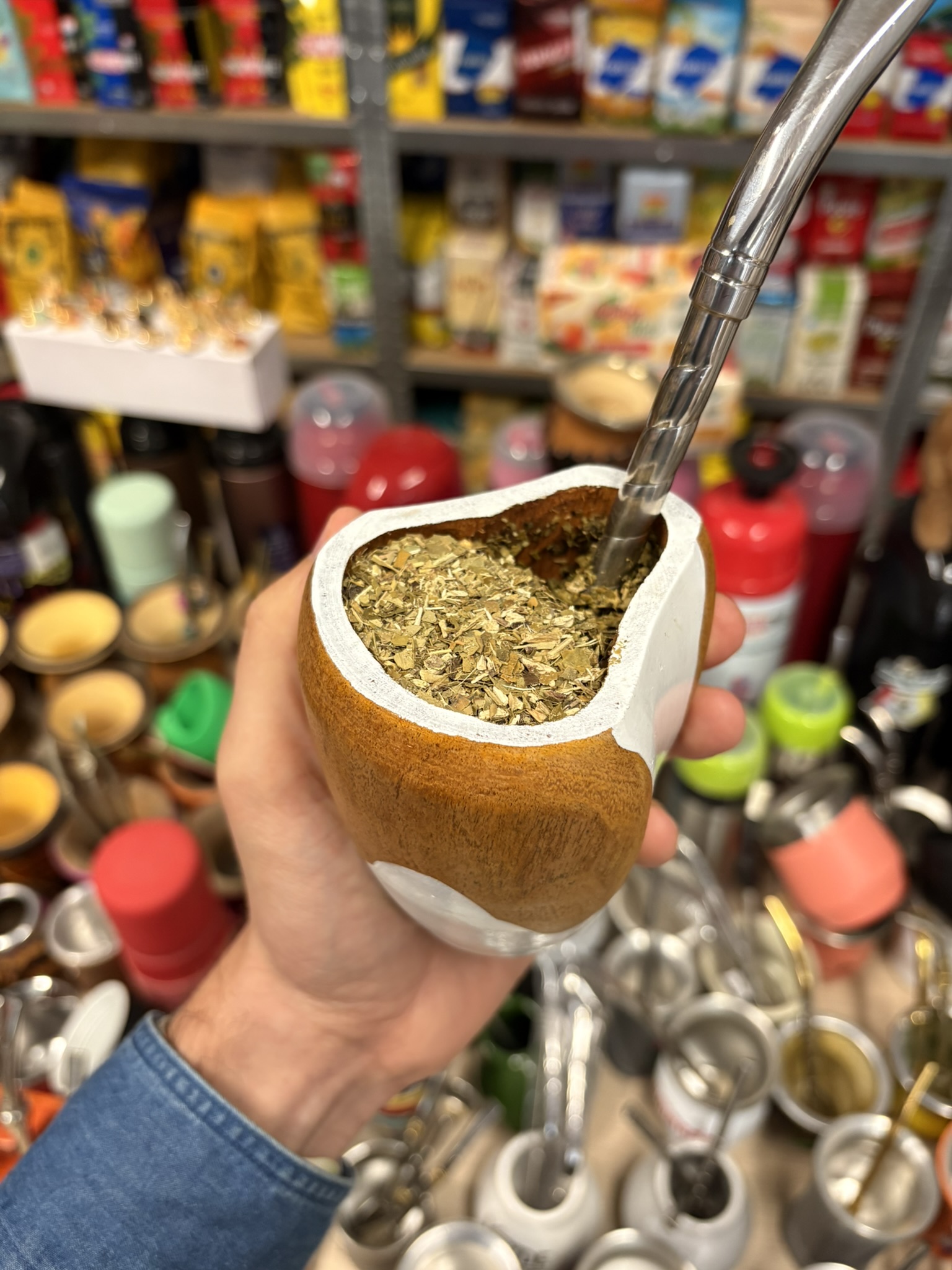
4. Avoid starting with a natural gourd (tykwa) right away
Natural gourd vessels require more care and attention, as they need proper drying time between uses. This means a natural gourd should not be used more often than once every 48 hours, or until it has dried completely.
Failing to follow this rule can quickly render the vessel unusable due to mold growth from excess moisture. A gourd is a natural, woody fruit vessel (a relative of the squash family) that absorbs the flavor of the brew, seasoning itself with every use. With proper care and thorough drying, a natural gourd can last for years. However, due to these maintenance demands, it isn't necessarily the best choice for beginners unless you plan to purchase at least two and rotate them.
In our view, a natural gourd is a vessel best chosen after you've developed a passion for yerba mate and want to expand your horizons with new flavors and traditional accessories.
5. Don't buy blindly—try sample packs or ask us for guidance
If you are unsure of what to pick at the start, opt for a sample pack. This gives you the opportunity to test various styles—from popular commercial classics to niche traditional brands or flavored (fruit) options. It is a fantastic way to discover different regional styles from Argentina, Paraguay, or Brazil, helping you form your own taste preferences for future purchases.
Another great option is to reach out to us directly via social media, email, phone, or live chat on our website. You can always count on our expert advice to help you choose the ideal yerba mates and accessories tailored to your desired energy level, flavor profile, and ease of preparation.
Summary
As you can see, there are plenty of potential mistakes one can make when starting out with yerba mate. Some of these can easily discourage you from exploring the rich world of Paraguayan holly despite your best intentions. That is why we wrote this guide: to help eliminate those pitfalls so you can fully enjoy every session—whether you are a beginner or someone who has been drinking mate for a while.
As new tips and insights arise, we will keep updating this article.